- Get link
- X
- Other Apps
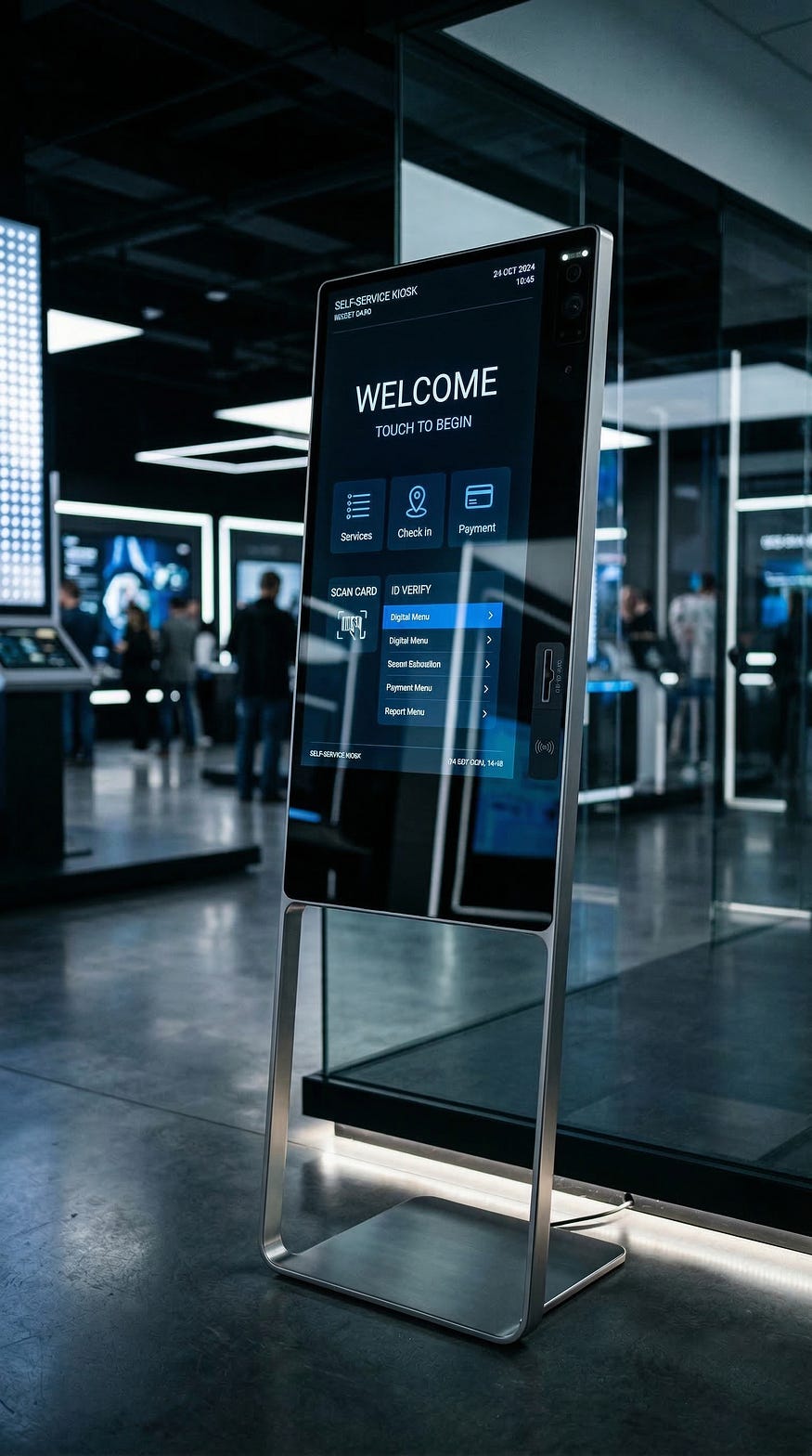
Customer expectations in 2026 are simple: faster service, fewer mistakes, and more control. This is why many businesses are adopting self-service kiosks. A self-service kiosk is a touchscreen station that allows customers to complete tasks like ordering food, paying for items, checking in, printing tickets, returning products, or finding information without waiting for staff. Today, kiosks are common in restaurants, retail stores, airports, hotels, and healthcare centers. They help businesses serve customers faster while still allowing staff to assist when needed.
Why Kiosks Are Better in 2026
Modern kiosks have improved a lot since 2024. Businesses now use faster hardware, clearer screens, and smarter software. Kiosks also connect directly with POS systems, loyalty programs, and inventory tools. This means customers see accurate menus, real-time product availability, and personalized options. The result is a smoother and more reliable customer experience.
Simple and Easy-to-Use Interfaces
Modern kiosks use large buttons, clear menus, and step-by-step instructions. Many also support multiple languages. Customers can review their order, edit selections, and see helpful details like ingredients or product options before confirming.
Faster Digital Payments
Kiosks now support contactless cards, mobile wallets, QR payments, and tap-to-pay options. Some even allow split payments or digital receipts by email or SMS. Faster payments reduce waiting time and make checkout easier.
Main Benefits for Customers
Self-service kiosks improve convenience and reduce common service frustrations.
Shorter Lines
During busy hours, kiosks allow multiple customers to place orders at the same time. This increases service speed and helps businesses manage rush periods more efficiently.

Better Order Accuracy
Customers can review their selections before completing the transaction. This reduces order mistakes and allows easy customization such as choosing sizes, colors, or extra options.
Balancing Technology With Human Service
A common concern is that kiosks remove human interaction. In reality, they often improve it. By handling routine tasks, kiosks allow employees to focus on helping customers who need assistance. Staff can guide customers, solve issues, and create a more welcoming experience.
Important Considerations
Businesses must ensure kiosks are accessible, secure, and reliable.
Accessibility
Good kiosk design includes readable text, clear instructions, adjustable screen height, and multiple language options. Businesses should also offer assisted service when needed.
Data Privacy
Kiosks should protect customer information by using secure payments, automatic logouts, and clear consent for any data collected.
Conclusion
In 2026, self-service kiosks are more than just fast checkout tools. They improve customer experience by offering speed, accuracy, and convenience while still allowing human support when necessary. As businesses combine kiosks with mobile apps and in-store staff, customers can enjoy a smoother and more flexible service journey.
Comments
Post a Comment