- Get link
- X
- Other Apps
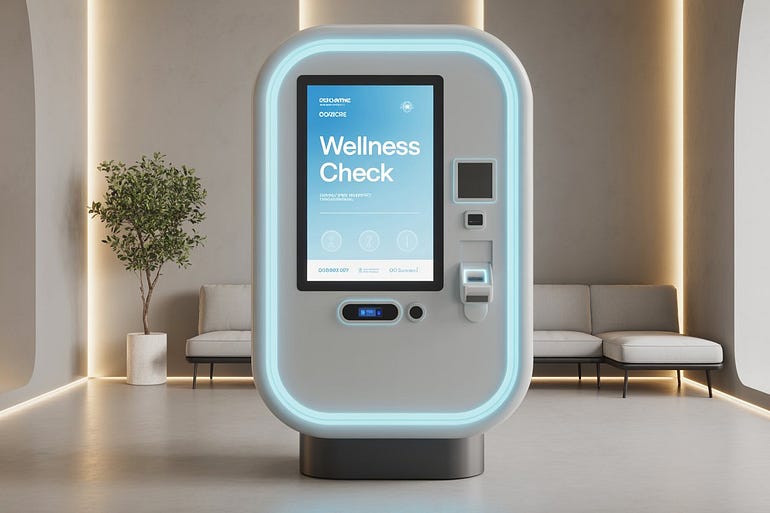
In today’s fast-paced healthcare landscape, delivering efficient and patient-centric services is more critical than ever. Long wait times, overwhelmed administrative staff, and outdated check-in processes have long been a source of frustration for patients and healthcare providers alike. Enter healthcare kiosks — a transformative solution designed to streamline the patient check-in experience, enhance operational efficiency, and improve the quality of care.
Healthcare kiosks are becoming a standard feature in hospitals, clinics, and urgent care centers, offering patients a quicker, more autonomous way to register for appointments, update personal information, and make payments. As healthcare systems shift toward digital transformation, these self-service kiosks are emerging as an essential tool for modern medical facilities.
Understanding Healthcare Kiosks
Definition and Purpose of Healthcare Kiosks
A healthcare kiosk is a self-service terminal that allows patients to perform various administrative tasks typically handled by front-desk staff. These include checking in for appointments, verifying insurance details, completing consent forms, making co-payments, and updating medical history. Designed to reduce administrative bottlenecks, these kiosks serve both operational and clinical purposes by minimizing manual data entry and improving the accuracy of patient records.
How Healthcare Kiosks Work
Using a healthcare kiosk is straightforward. Upon entering a medical facility, patients can approach the kiosk and begin the check-in process by either scanning a QR code, entering a patient ID, or swiping an insurance card. The kiosk prompts users to confirm their identity, review personal information, and answer any pre-screening health questions. Patients may also electronically sign forms, make payments, and receive printed or digital appointment confirmations. All information entered at the kiosk is instantly synchronized with the facility’s electronic health record (EHR) system, ensuring seamless updates across departments.
Benefits of Using Healthcare Kiosks for Check-ins
Enhanced Patient Experience and Reduced Wait Times
One of the most significant advantages of healthcare kiosks is the improvement in patient experience. Traditional check-in processes can involve long queues and repetitive paperwork, which can be particularly frustrating for patients already dealing with health concerns. Kiosks offer a faster, more intuitive alternative, enabling patients to check in within minutes.
This efficiency not only reduces waiting room congestion but also allows staff to focus on higher-value interactions, such as assisting elderly or differently-abled patients. With reduced wait times and greater autonomy, patient satisfaction sees a noticeable boost.
Operational Efficiency and Cost Savings for Providers
Healthcare kiosks streamline administrative tasks, enabling providers to reallocate front-desk resources to more critical areas. This optimization can result in significant cost savings, particularly for large-scale hospitals that process hundreds of check-ins daily.
Additionally, kiosks help reduce human error during data entry, which improves the overall efficiency of the workflow. Fewer errors mean fewer follow-ups, less rework, and better patient outcomes — creating a ripple effect of benefits throughout the healthcare system.
Improved Data Accuracy and Security
Manual entry of patient information often leads to mistakes, ranging from misspelled names to incorrect insurance details. Healthcare kiosks minimize such risks by allowing patients to directly input or verify their data. This self-verification enhances the accuracy and completeness of medical records.
Moreover, kiosks come equipped with advanced data security features. Encryption protocols, secure login methods, and HIPAA-compliant software ensure that patient information is protected at every step of the process.

Key Features to Look for in Healthcare Kiosks
User-Friendly Interface and Accessibility Options
The usability of a healthcare kiosk is crucial for its effectiveness. A well-designed interface should be intuitive, with clear prompts, large buttons, and multi-language support. It’s also essential to consider accessibility features such as voice assistance, height-adjustable screens, and compatibility with assistive devices to cater to elderly and disabled patients.
Integration with Electronic Health Records (EHR) Systems
Seamless integration with EHR systems is a non-negotiable feature for modern healthcare kiosks. This integration ensures that all patient data collected during the check-in process is automatically and accurately reflected in the central medical records system. Real-time synchronization helps healthcare providers maintain up-to-date patient information and supports better clinical decision-making.
Security Measures and Compliance Standards
Given the sensitive nature of healthcare data, kiosks must adhere to stringent security and privacy regulations. Look for kiosks that are HIPAA-compliant and include features such as data encryption, automatic session timeouts, and role-based access controls. Some kiosks also include biometric authentication options, such as fingerprint or facial recognition, to enhance security further.
Challenges and Considerations in Implementing Healthcare Kiosks
Technical and Maintenance Challenges
Like any piece of technology, healthcare kiosks require regular maintenance to function effectively. Hardware issues such as touchscreen failures or printer malfunctions, and software-related problems like slow response times or outdated user interfaces, can hinder their performance. Ensuring technical support and a routine maintenance schedule is vital to minimize downtime and ensure patient satisfaction.
Patient Adoption and Accessibility Concerns
While younger, tech-savvy patients may readily embrace kiosk check-ins, others — especially seniors or individuals with disabilities — may struggle. Healthcare providers must address these challenges by offering staff assistance during initial usage and incorporating features that support accessibility and ease of use.
Additionally, cultural and language barriers can impact user adoption. Including multilingual support and culturally sensitive interface designs can make kiosks more inclusive.
Cost and ROI Analysis for Healthcare Facilities
Implementing healthcare kiosks involves upfront costs related to hardware, software, training, and integration with existing systems. While these costs may seem substantial, the long-term return on investment (ROI) is often significant. Reduced labor costs, improved data accuracy, and enhanced patient throughput can lead to financial savings over time. However, a detailed ROI analysis should be conducted before deployment to ensure the investment aligns with the facility’s operational goals.
Future Trends and Innovations in Healthcare Kiosks
Telehealth Integration and Virtual Assistance
As telemedicine continues to gain traction, healthcare kiosks are evolving to support virtual consultations. Kiosks equipped with video conferencing capabilities and AI-driven virtual assistants can offer patients remote access to healthcare professionals for non-emergency needs. This integration is especially beneficial for rural or underserved populations with limited access to in-person care.
Enhanced Biometrics and Contactless Check-ins
In the post-pandemic world, contactless technology has become more important than ever. Advanced biometric features such as facial recognition, iris scanning, and palm vein authentication are being integrated into kiosks to facilitate hygienic and secure check-ins. These innovations not only enhance safety but also improve the speed and accuracy of patient identification.
Personalization and Patient Engagement Tools
Future healthcare kiosks are expected to become more personalized, offering customized health information, wellness tips, and appointment reminders tailored to each patient. Integration with wearable devices and mobile health apps can further enhance this personalization, creating a more engaging and informative patient experience. Kiosks could also offer interactive education modules about medications, procedures, and post-treatment care — empowering patients to take control of their health journey.
Conclusion
Healthcare kiosks represent a significant step forward in the modernization of patient services. By streamlining check-ins, improving data accuracy, reducing wait times, and supporting administrative staff, these kiosks offer a powerful solution for today’s overburdened healthcare systems. As technology continues to evolve, the role of healthcare kiosks will only expand — incorporating telehealth features, biometric authentication, and personalized health tools.
For healthcare providers seeking to enhance operational efficiency while improving patient satisfaction, adopting healthcare kiosks is not just a smart move — it’s a necessary one. As we move toward a more digital and patient-focused future, healthcare kiosks will undoubtedly play a pivotal role in shaping the next generation of medical care.
Comments
Post a Comment