- Get link
- X
- Other Apps
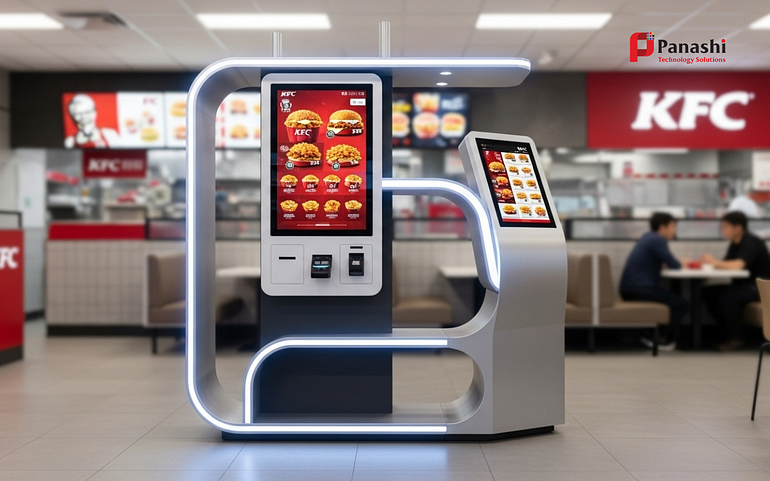
In the fast-paced world of food service, kiosks are emerging as one of the most efficient and scalable models for delivering popular quick-service options. From airports to malls to busy street corners, food kiosks offer a convenient, compact, and cost-effective way for brands to reach more customers. One standout player in this space is KFC, a globally recognized brand that has started leveraging kiosk formats to meet the rising demand for quick and convenient meals. But is operating a KFC kiosk the right opportunity for your business goals?
This blog dives deep into what a KFC kiosk really is, its benefits and challenges, and how to evaluate whether it’s a strategic fit for you.
Understanding What a KFC Kiosk Is
KFC kiosks are smaller, streamlined versions of traditional KFC restaurants, designed for speed, efficiency, and flexibility in location. Let’s explore what sets them apart.
Definition and Format of a KFC Kiosk
A KFC kiosk is a compact service point — typically under 500 square feet — equipped with a self-ordering screen or counter for quick transactions. Unlike a full-service outlet, the kiosk has limited seating (or none), a smaller kitchen footprint, and is optimized for high-volume takeaway orders. It may be fully automated or manned by a minimal staff of 3–5 people.
These kiosks focus on operational speed, making them ideal for urban commuters, mall shoppers, or airport travelers who prefer grab-and-go dining.
Menu Offerings Compared to Full-Service KFC Restaurants
While still offering customer favorites like chicken buckets, burgers, popcorn chicken, and beverages, KFC kiosks have trimmed-down menus. Complex or niche items may not be available due to space and prep-time limitations. The core selling point is speed without compromising brand taste.
The emphasis is on high-demand items with streamlined prep procedures, ensuring consistency and minimal wait time.
Common Locations and Foot Traffic Expectations of KFC Kiosks
You’ll typically find KFC kiosks in:
- Shopping malls
- Airports
- College campuses
- Train stations
- Petrol stations
- Business parks
Such spots are chosen for heavy foot traffic, fast customer turnover, and relatively lower rental costs compared to full-sized restaurant spaces. Success often hinges on location strategy, as kiosk profitability depends heavily on daily customer flow.
Benefits of Operating a KFC Kiosk for Your Business
Owning a KFC kiosk can bring multiple advantages, especially if you’re an entrepreneur aiming to enter the QSR (Quick Service Restaurant) industry with a reputable brand.
Brand Equity and Customer Loyalty with KFC
KFC is a globally loved brand with loyal customer bases in nearly every market. Associating your business with such a trusted name instantly builds credibility, attracts footfall, and reduces the burden of brand-building from scratch.
People recognize and trust the KFC brand, which can lead to repeat customers and higher sales volume from day one.
Lower Initial Investment and Operational Overhead
Compared to opening a full-service restaurant, the investment required for a kiosk is significantly lower. You save on:
- Real estate costs
- Staffing needs
- Utility and maintenance expenses
This leaner setup means quicker break-even periods and higher ROI potential, making it ideal for new entrepreneurs or businesses with limited capital.
Flexibility in Location and Space Requirements
Kiosks can be launched in non-traditional spaces like gas stations or building lobbies. Their flexibility allows you to test multiple markets or scale into regions where a full restaurant isn’t feasible.
You can even consider seasonal or temporary installations (e.g., events, festivals), providing unique expansion possibilities.
Meeting Consumer Demand for Fast, Convenient Food
Today’s consumers demand convenience and speed — KFC kiosks cater directly to this. In busy urban environments, customers often prefer quick bites over long dine-ins.
By offering faster service without compromising on taste, kiosks help you meet modern expectations and boost satisfaction.
Considerations and Challenges Before Launching a KFC Kiosk
Before jumping in, it’s essential to evaluate the possible downsides and practical hurdles.
Franchise and Licensing Requirements
To operate a KFC kiosk, you’ll need to apply for a KFC franchise, which includes:
- Application review
- Background checks
- Capital requirements
- Legal agreements
- Ongoing royalty and ad fees
KFC has stringent quality control, and your kiosk must meet corporate guidelines and standards, both in design and operation.
Menu Limitations and Impact on Customer Expectations
While simplicity benefits speed, limited menu options may disappoint loyal customers expecting a full-service experience. Without clear communication, this could lead to customer dissatisfaction or reduced repeat visits.
Operators must balance what’s offered with what’s expected to optimize customer satisfaction.
Dependence on High Foot Traffic Locations
KFC kiosks thrive on volume-driven sales. Poor location selection can lead to lower traffic and revenue, making location scouting crucial to your business’s success.
Failure to secure a high-traffic area can quickly lead to underperformance.
Competition from Other Quick-Service and Kiosk Options
The QSR kiosk market is getting crowded, with big players like McDonald’s, Subway, and Domino’s also exploring kiosks. Independent food trucks and regional brands add further competition.
You’ll need a solid USP (Unique Selling Proposition), possibly leveraging brand, price, or speed to maintain an edge.

Operational Challenges in a Small Footprint
Operating in a small space comes with unique challenges:
- Limited inventory capacity
- Equipment constraints
- Staff overcrowding during peak hours
Operational efficiency must be optimized daily to ensure smooth service flow and food quality.
Evaluating If a KFC Kiosk Aligns with Your Business Goals
Let’s now assess whether a KFC kiosk fits your entrepreneurial or expansion objectives.
Financial Feasibility and Return on Investment Expectations
Calculate your:
- Startup cost (license, equipment, design)
- Monthly overheads (rent, wages, royalty)
- Breakeven timeline
- Expected monthly footfall and average order value
If the profit margin projections are in line with your financial goals, a kiosk may be a sound investment.
Target Demographics and Market Compatibility
A KFC kiosk works best in urban areas with:
- Young professionals
- Students
- Shoppers
- Commuters
Analyze whether this target demographic overlaps with your current business focus or desired customer base.
Alignment with Your Existing Business Model or Portfolio
Are you already in F&B? Looking to diversify into foodservice? A KFC kiosk may complement your portfolio, especially if:
- You already run cafes or franchises
- You manage retail properties or malls
- You have experience in high-volume sales operations
This model may be a good strategic extension.
Expansion Potential and Long-Term Growth Considerations
If the first kiosk performs well, it opens doors to:
- Launch more kiosks in other regions
- Upgrade to full-scale KFC restaurants
- Build a franchisee network under your ownership
The kiosk model offers scalability — a big plus if you’re thinking long-term.
Steps to Start a KFC Kiosk Business
Ready to take the plunge? Here’s a step-by-step guide to getting started.
Researching Franchise Opportunities and Requirements
Visit the official KFC franchise website, contact regional franchise managers, and review:
- Initial investment needed
- Franchise fees
- Legal terms
- Training requirements
Ensure your financials, experience, and goals align with what KFC expects.
Selecting an Optimal Location for Maximum Impact
Look for high-traffic areas where:
- People are in a hurry
- Seating is optional
- Footfall is consistent (malls, campuses, metro stations)
Conduct location feasibility studies and traffic analysis before finalizing.
Understanding and Complying with Health and Safety Regulations
Kiosks are subject to the same food safety regulations as restaurants. You’ll need:
- FSSAI license (in India)
- Fire safety approval
- Staff hygiene certifications
- Regular audits
Adhering to these is not just legal — it’s critical to maintaining KFC’s brand image.
Marketing Your KFC Kiosk to Attract Customers
Even with a strong brand, local marketing matters:
- Use geo-targeted ads
- Launch with discounts or combo offers
- Partner with delivery apps
- Promote via mall/airport signage and digital screens
Keep the buzz alive even after the initial launch with engaging promotions.
Conclusion
A KFC kiosk can be a powerful, profitable business model — but only if aligned with your financial goals, location strategy, and operational capabilities. It offers the strength of a world-renowned brand, lower investment than traditional restaurants, and access to a rapidly growing market of time-conscious consumers.
However, success depends on doing your homework: understanding franchise terms, picking the right spot, streamlining operations, and staying competitive.
If you’re looking for a scalable, brand-backed entry into the quick-service industry, a KFC kiosk might just be your recipe for success.
Comments
Post a Comment