- Get link
- X
- Other Apps
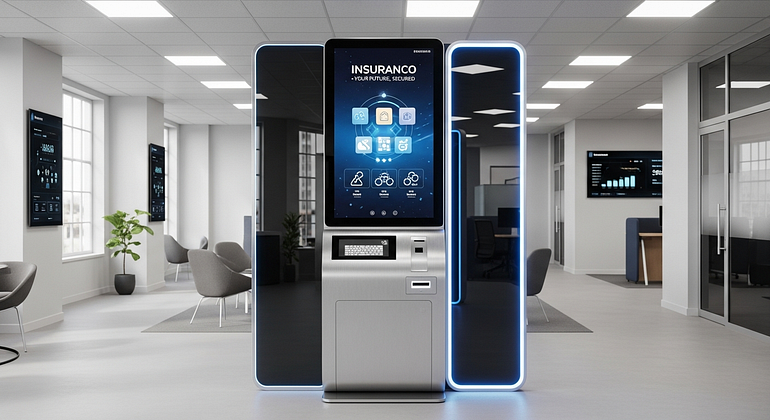
People in busy public places like shopping malls, airports, bus stations, and hospitals often need quick insurance information. A traveler may want last-minute travel coverage, a patient might want to understand health insurance options, or a commuter could be looking for accident insurance. However, most people do not want a long sales call, paperwork, or a visit to an insurance office. This is where insurance kiosks come in.
An insurance kiosk is a self-service touch screen or compact booth that helps people learn about, compare, and buy simple insurance products on their own. Much like an ATM or a self-checkout machine, it guides users step by step. Insurance kiosks focus on speed, clarity, and convenience. They reduce waiting lines, provide clear information, and give users more control over their decisions. They also help people who feel uncomfortable speaking with agents. In public spaces where time and patience are limited, insurance kiosks offer a faster and more user-friendly experience.
What Are Insurance Kiosks and Where Do You Find Them?
Insurance kiosks are designed to make insurance more accessible to everyday people. Before exploring their benefits, it helps to understand what they are and where they are commonly used.
Simple Definition of an Insurance Kiosk
An insurance kiosk is a self-service digital station that allows users to interact with insurance services without direct human assistance. It can be a standing touch screen, a small enclosed booth, or even a tablet-style setup mounted securely in a public area. The experience is designed to be simple and guided.
At an insurance kiosk, users can:
- Get instant insurance quotes
- Compare basic insurance plans
- Learn about coverage details and benefits
- Scan an ID or enter basic personal details
- Print or download policy information
- Start or track a simple claim
The language used on kiosks is usually plain and easy to understand, making them suitable for first-time insurance buyers.
Common Public Spaces That Use Insurance Kiosks
Insurance kiosks are placed where people naturally need quick decisions and easy access:
- Shopping malls: Shoppers can explore personal or device insurance while already in a buying mindset.
- Airports: Travelers can quickly purchase travel insurance before boarding a flight.
- Train and bus stations: Daily commuters can learn about accident or short-term coverage.
- Hospitals and clinics: Patients and visitors can check health insurance options or understand coverage details.
- Large office buildings: Employees can review group or personal insurance plans.
- College campuses: Students can access health or travel insurance without visiting an office.
- Government offices: Visitors can explore mandatory or recommended insurance during official processes.
Each location supports the idea of fast, convenient, and stress-free access.
How Do Insurance Kiosks Improve Customer Experience in Public Spaces?
Insurance kiosks improve customer experience by solving common problems such as long wait times, unclear information, and pressure from sales conversations. Their benefits are practical and easy to feel in real-life situations.

Faster Service and Shorter Wait Times
One of the biggest advantages of insurance kiosks is speed. Instead of standing in line or waiting on hold, users can walk up to a kiosk and start immediately. Multiple kiosks can serve many people at the same time, which reduces crowding at help desks.
For example, a traveler with only 15 minutes before boarding can still buy travel insurance using a kiosk. The process is quick, focused, and efficient. Faster service means less stress and better use of time, especially in crowded public spaces.
24/7 Access in Busy Public Places
Many public places such as airports and hospitals operate around the clock. Insurance kiosks can do the same. Unlike traditional offices that work only during business hours, kiosks are available day and night.
This helps night-shift workers, emergency travelers, and people who need last-minute coverage. Customers are no longer limited by office schedules, which makes insurance feel more flexible and modern.
Clear, Step-by-Step Guidance Without Sales Pressure
Talking to an insurance agent can feel overwhelming for many people. Some worry about being pushed into buying something they do not fully understand. Insurance kiosks remove that pressure.
Kiosks guide users step by step with simple questions, on-screen explanations, and visual aids. Built-in FAQs help answer common doubts. Users can take their time, read carefully, and move forward only when they feel ready. This calm, private experience builds confidence and trust.
Quick Quotes, Easy Comparisons, and Simple Policy Choices
Insurance kiosks make it easy to compare options. Plans are displayed side by side with prices, coverage limits, and key benefits clearly shown.
For example, a user choosing between two travel insurance plans can instantly see the difference in medical coverage or trip cancellation benefits. They can adjust coverage levels and see price changes in real time. This transparency helps people feel that their choice is fair and informed.
Support for Many Languages and Accessibility Needs
Modern insurance kiosks are designed to be inclusive. They often support multiple languages, large text modes, audio guidance, and simple navigation.
Older adults benefit from bigger fonts, people with hearing difficulties can use visual instructions, and non-native speakers can choose their preferred language. Wheelchair-friendly designs ensure physical accessibility. These features make public services feel welcoming to everyone.
Are Insurance Kiosks Safe, Helpful, and Here to Stay?
As insurance kiosks become more common, people naturally have questions about security and long-term value.
Privacy, Security, and Human Help When You Need It
Insurance kiosks are built with privacy and security in mind. Personal data is protected using encrypted connections, privacy screens, and automatic logouts after inactivity. This helps prevent misuse in public environments.
Importantly, kiosks do not completely replace human support. If users need help, they can connect to a call center, video agent, or continue the process later with an advisor. This balance between technology and human support builds trust.
Future Features That Could Improve Customer Experience Even More
Insurance kiosks will continue to evolve. Future upgrades may include smarter chat-style assistance, saved user profiles for faster renewals, QR codes to continue on a mobile phone, and tighter integration with insurance apps.
These improvements will make the experience more personal and seamless while keeping the simplicity that users value.
Conclusion
Insurance kiosks are changing how people interact with insurance in public spaces. By offering fast access, clear information, and self-paced guidance, they remove many of the frustrations linked to traditional insurance processes. Users benefit from shorter wait times, 24/7 availability, easy comparisons, and inclusive design features.
Most importantly, insurance kiosks give people control. They can explore options, understand coverage, and make decisions without pressure. As public spaces become busier and expectations for convenience grow, insurance kiosks offer a practical and user-friendly solution. The next time you see an insurance kiosk in a mall, airport, or hospital, it can be a simple way to get quick answers or quotes with confidence.
Frequently Asked Questions (FAQs)
What is an insurance kiosk?
An insurance kiosk is a self-service digital machine that allows users to learn about, compare, and buy simple insurance products in public places.
Where are insurance kiosks commonly located?
They are commonly found in malls, airports, hospitals, transport stations, offices, campuses, and government buildings.
Are insurance kiosks safe to use?
Yes. They use secure connections, privacy screens, and automatic logouts to protect personal data.
Can I talk to a human agent if needed?
Yes. Most kiosks offer options to connect with phone or live agents for additional help.
What types of insurance can be bought from a kiosk?
Common options include travel insurance, health coverage information, accident insurance, and short-term or basic policies.
Comments
Post a Comment