- Get link
- X
- Other Apps
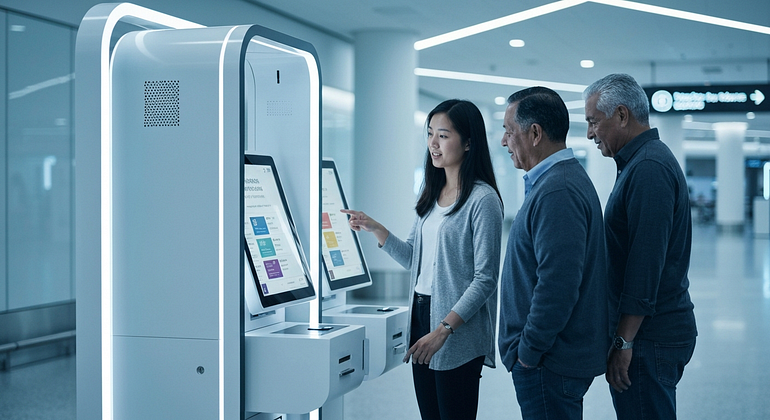
Telecom kiosks are becoming a familiar sight in places we visit every day — malls, airports, supermarkets, metro stations, and telecom stores. These machines look like touch-screen counters, and they help people manage mobile, internet, and TV services on their own. Instead of waiting in line or depending on a staff member, customers can quickly pay bills, recharge prepaid numbers, print receipts, buy SIM cards, or update their account details with just a few taps.
Telecom kiosks help both customers and service providers by saving time, reducing pressure on staff, and offering round-the-clock convenience. This article focuses on the top real-life benefits of telecom kiosks rather than the technical side. You’ll learn how they make daily telecom tasks faster, easier, and more private — and why telecom companies are investing in them to improve customer experience.
What Are Telecom Kiosks and How Do They Work?
Telecom kiosks are self-service machines designed to help people handle common telecom tasks without needing to speak to a representative. They work through a touch-screen system that guides users step by step. Whether someone wants to recharge a mobile number, check their data balance, or purchase a new SIM card, the kiosk provides clear on-screen instructions to complete the task quickly.
These kiosks connect directly to telecom systems through secure software. When a customer enters their mobile number or scans their ID, the kiosk accesses their account instantly. Payments can be made using cash, credit cards, debit cards, or digital wallets depending on the kiosk’s setup. After completing the service, the machine prints a receipt or sends a confirmation message. Overall, telecom kiosks are simple, reliable, and built to make the customer journey smooth, especially in high-traffic or busy locations.
Simple Definition of a Telecom Self-Service Kiosk
A telecom self-service kiosk is a touch-screen machine that allows customers to manage mobile, internet, and TV services by themselves. With a few taps, people can complete common tasks such as paying monthly bills, recharging prepaid plans, buying or activating SIM cards, checking data or balance information, printing receipts, and updating personal account details.
Where Customers Usually Find Telecom Kiosks
Telecom kiosks are usually placed in high-traffic areas so people can get help quickly, even when staff are busy or stores are closed. Common locations include telecom stores, shopping malls, airports, railway stations, metro stations, universities, corporate parks, and busy commercial areas.
Key Benefits of Telecom Kiosks for Customers
Faster Service with Shorter Lines and Wait Times
Telecom kiosks make simple tasks faster by reducing lines and wait times. Instead of standing in long queues during peak hours — like lunchtime or after work — customers can walk to a kiosk and finish their tasks in minutes. Paying bills, recharging, or printing receipts becomes a smooth, quick process. Kiosks also help ease crowding in stores, making it easier for people to get service without delays.
24/7 Access to Pay Bills and Manage Accounts
Many telecom kiosks are available 24 hours a day, especially in malls, airports, and outside stores. This is extremely convenient for people who work late, travel often, or have busy schedules. With 24/7 access, customers can make urgent payments, get SIM replacements, or recharge at any hour — even after business hours.
Easy-to-Use Touchscreens for Simple Tasks
Telecom kiosks are designed to be simple for everyone. The touch-screen menus offer step-by-step guidance, clear buttons, and multiple language options. This helps users who are not tech-savvy or who prefer to avoid speaking to staff. Many kiosks accept cash, cards, or digital payments, making the process flexible and convenient.
More Privacy for Personal Account and Payment Details
Some customers prefer handling their telecom issues privately. Telecom kiosks allow people to check overdue bills, update account details, or change plans without speaking in front of others. Since all tasks are done directly on the screen, it offers a sense of privacy and confidence.
Quick Help in Emergencies or While Traveling
Telecom kiosks are especially useful during emergencies or travel. A traveler landing at an airport can quickly buy and activate a local SIM. A user who lost their phone can get a fast SIM replacement. Someone who suddenly runs out of data can recharge right away. These quick solutions help customers stay connected without stress.
Top Benefits of Telecom Kiosks for Service Providers
Lower Operating Costs and Less Pressure on Store Staff
Kiosks handle repetitive tasks such as bill payments and recharges, reducing the workload on employees. This allows staff to focus on complex issues and customer support. Telecom companies save money by reducing the need for additional staff during peak hours and lowering the overall cost per transaction.
More Consistent Service and Fewer Human Errors
Since kiosks follow structured, automated steps, they reduce mistakes related to billing, data entry, or plan selection. The system accuracy helps companies maintain clear transaction records, making it easier to handle audits and customer disputes. This improves customer trust and ensures consistency.
Higher Sales Through Upselling and Smart Plan Suggestions
Telecom kiosks can suggest relevant offers like data packs, roaming plans, or device insurance based on customer behavior. Many people feel more comfortable exploring offers at their own pace without pressure, which leads to better conversions and increased sales.
Better Data Insights into Customer Behavior
Kiosks gather useful data such as popular services, peak usage times, and offer preferences. Telecom companies can use this insight to improve staffing, introduce new services, and plan marketing campaigns. These insights support better decision-making and service improvements.
Stronger Brand Image with Modern, Digital Service
A visually appealing, well-designed kiosk helps telecom brands present a modern, customer-focused image. This supports a seamless experience across apps, websites, stores, and kiosks — letting customers choose whatever channel suits them best.
Conclusion
Telecom kiosks offer valuable benefits to both customers and telecom companies. For customers, they provide speed, convenience, privacy, and reliable service, even during late hours or emergencies. Whether someone needs a quick recharge or a fast SIM card at an airport, kiosk make the process smooth and stress-free.
FAQs
1. What services can I use a telecom kiosk for?
You can pay bills, recharge prepaid numbers, buy SIM cards, check balances, print receipts, and update account information.
2. Are telecom kiosks available 24/7?
Many kiosks in malls, airports, and outdoor locations operate round the clock.
3. Are telecom kiosks safe to use?
Yes. They use secure systems, encrypted payments, and verified software to protect customer data.
4. Do telecom kiosks support cash payments?
Some do, while many also accept debit cards, credit cards, and digital wallets.
5. Do telecom kiosks replace store staff?
No. They simply handle simple tasks so that staff can focus on complex customer needs.
Comments
Post a Comment